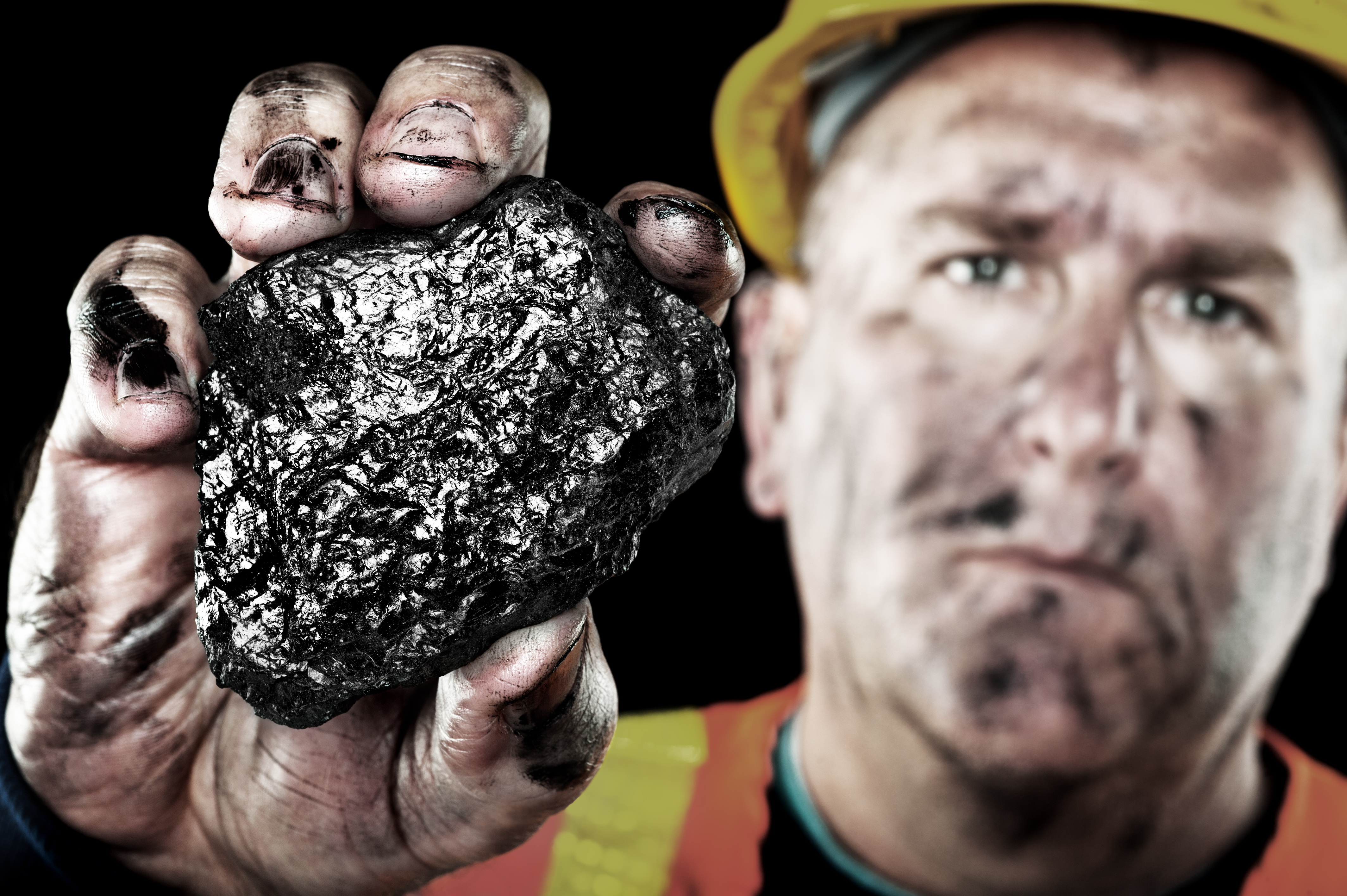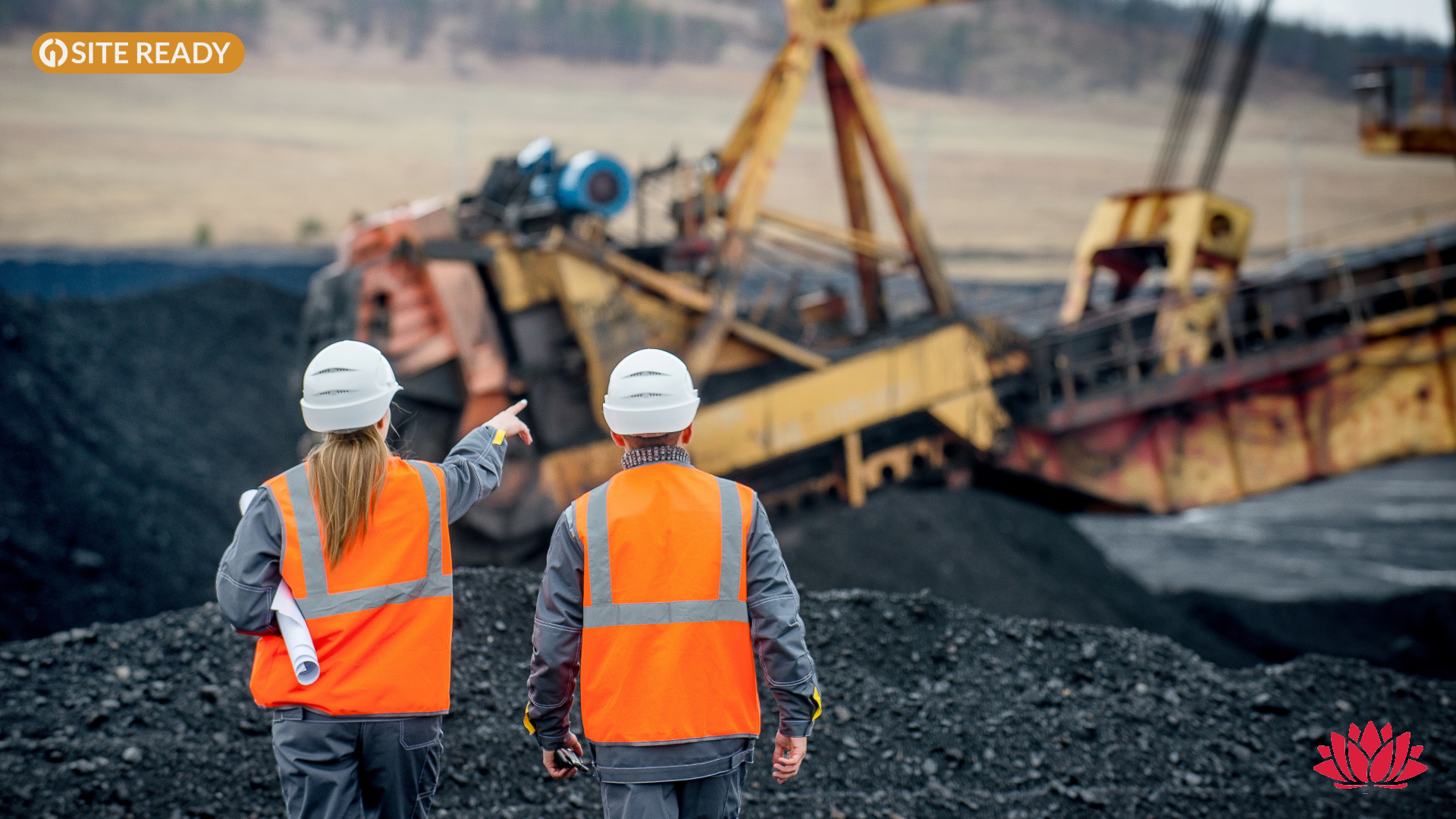
When most people picture Australian mining, they picture machines. Heavy equipment, visible workers, the physical extraction of something from the ground.
What they don’t picture is the work that makes all of that possible — the administrative and coordination work that keeps every mine operating, every crew compliant, and every mobilisation on schedule.
That work is largely done by women.
The Numbers
Women make up roughly 22% of the Australian mining workforce overall. But in administrative roles — the compliance coordination, mobilisation management, and credential tracking roles — that figure flips dramatically.
According to Workplace Gender Equality Agency data, approximately 72% of administration positions in mining are held by women. It’s the only segment of the sector where women outnumber men.
These aren’t junior roles. The work involves:
- Interpreting site-specific requirements that vary by client, location, and contractor agreement
- Verifying tickets, medical clearances, and inductions across dozens or hundreds of workers
- Tracking authorisations across multiple sites and time periods
- Managing roster changes while maintaining continuous compliance
- Ensuring the operation is audit-ready without disrupting day-to-day work
When this system fails, workers get turned away at gates. Revenue stops. Relationships break down.
The Authority Gap
The data contradicts the stereotype. Women in resources average 35–40 years old with 11–15 years of experience. Approximately 94% hold university degrees. And yet their roles are frequently classified as “support” rather than “operations.”
That classification matters beyond job satisfaction. Titles determine how roles are benchmarked for compensation. A position labelled “Admin” is typically valued at a lower market rate than an “Operations” equivalent, even when the actual responsibilities are identical.
The Mental Load Problem
AusIMM research found that 21.5% of women in resources work more than 50 hours per week. But beyond the official hours, these professionals carry what amounts to a constant mental spreadsheet — tracking compliance deadlines, renewal windows, and the current status of dozens of workers across multiple sites.
That cognitive load doesn’t end at 5pm. It’s what makes the role sustainable only for people with exceptional organisational capacity — and what makes it unsustainable when processes are manual, fragmented, and entirely dependent on individual memory.
The industry’s reliance on manual compliance processes places disproportionate personal demand on the women who most often hold these roles. When systems are poor, the capable person works harder to compensate. That’s how you lose good people.
What Actually Needs to Change
Symbolic gestures don’t fix structural problems. Four things make a genuine difference:
Accurate job titles. Roles should reflect their actual responsibilities. “Mobilisation Coordinator,” “Compliance Officer,” or “Workforce Planner” more accurately describes the work than a generic “Admin” designation — and it changes how the role is benchmarked and compensated.
Inclusion in strategic planning. The people managing compliance outcomes should have a seat at operational planning tables — shutdown discussions, client readiness reviews, mobilisation planning meetings. The decisions made in those rooms directly affect the work they manage.
Metrics that make the work visible. Rather than treating compliance as a cost centre, organisations should quantify its outcomes: gate turnaround rates, roster adjustments managed, workforce readiness percentages. Data makes invisible work visible, and visible work gets resourced.
Technology investment. Women in these roles consistently identify technology skills and leadership development as priorities. Giving them proper tools — systems that replace the mental spreadsheet with automated visibility — isn’t just a retention strategy. It’s an operational one.
Networks Worth Knowing
If you’re in, or working alongside, these roles:
- AWIMAR — Australian Women in Mining & Resources
- WIMARQ — Women in Mining and Resources QLD
- WIMWA — Women in Mining WA
- AusIMM Women in Mining Network
- MARS — Mental Awareness, Respect and Safety (WA)
Australian mining doesn’t run without the people translating complex compliance rules into a clear, safe path to work every day. It’s time we described that work accurately — and gave the people doing it the systems and recognition that match.